Do you catch every cold that goes around and take a long time to shake it? Does food taste dull, or do cuts and spots take a long time to heal? Are you losing more hair than usual, or struggling with breakouts and dry patches? The answer to all this could be Zinc. A shortage builds so slowly that many people blame stress or getting older, yet nearly two billion people around the world run low.
⛏️ Meet Zinc
Zinc is a bluish-white metal that sits deep in rock and soil, and people have worked with it for thousands of years. Long before it was named as its own metal, workers mixed its rock with copper to make brass for tools, coins and jewelry. Pure zinc was first made on a large scale in India, where furnaces learned to catch it as a gas and cool it back into metal.
Your body holds only 2 to 4 grams of zinc in total, yet it is the second most common tiny mineral in you after iron. It helps many body processes work, and most of it sits in your brain, muscles, bones, kidney and liver, with the highest levels in the prostate and parts of the eye.
Did you know the oldest known pills were made from zinc minerals and were found aboard a Roman ship wrecked in 140 BC, where they were carried to treat sore eyes?
6 Things That Make Zinc Special
🛡️ 1. Supporting Your Defenses Day to Day
Your defenses are your body’s way of finding and clearing germs, using white blood cells that must form, grow up and learn to work together. Zinc is needed for about 100 body processes, and it helps those cells form, turn on and grow, while also helping keep the lining of your airways strong. When zinc runs low, you may catch lung and gut infections more easily, and wounds heal more slowly. With enough zinc, your defense cells keep their normal balance, and your daily defenses stay steady through cold season and travel.
2. Shaking Off Colds a Little Faster
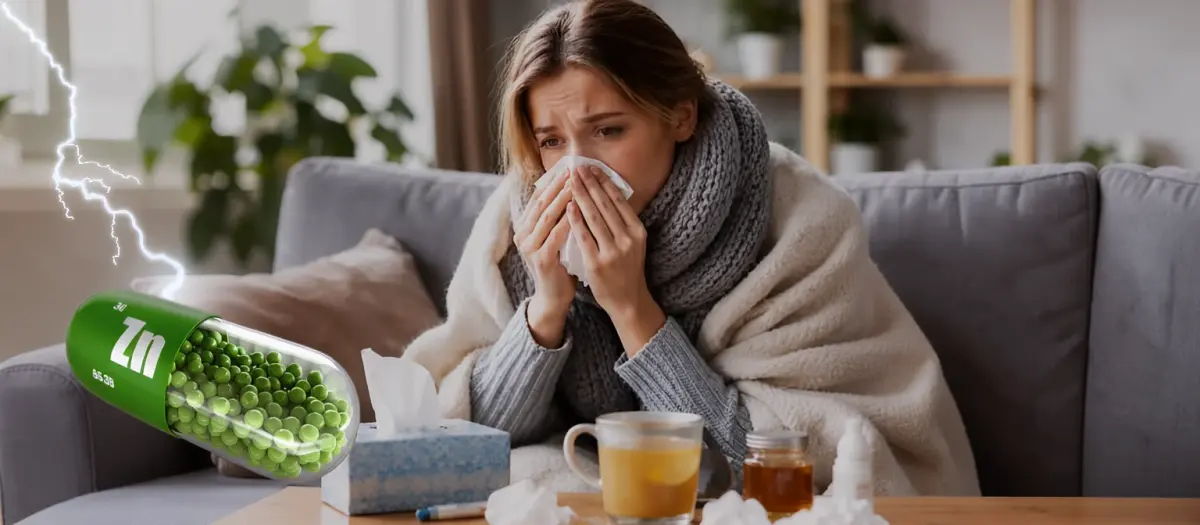
Colds start when viruses settle in your nose and throat, causing a runny nose, cough, sore throat and achy muscles. Zinc lozenges or syrup coat your mouth and throat for a short time, right where the cold begins. Zinc taken shortly after a cold starts could shorten how long the cold lasts, but not how bad it feels day to day. On average, symptoms clear about two days earlier, and in some groups colds were about one-third shorter. For you, that could mean fewer days of blowing your nose and missing plans.
🧴 3. Keeping Skin Clear and Calm
Your skin renews itself all the time, and zinc helps new cells grow and repair. A shortage can show up as acne, patches of eczema, dry scaling skin and thin hair. Cuts and scrapes may also take longer to close. Zinc supports normal growth and repair, wound healing and a healthy healing response in the skin. With steady zinc, your skin can renew on schedule, stay smoother to the touch, and bounce back faster after spots, scratches and shaving nicks. Your skin is often the first place you notice it when levels are low.
👅 4. Keeping Taste, Smell and Appetite Normal
Taste and smell tell you when food is fresh, ripe and enjoyable, and they guide how much you want to eat. Zinc is involved in the sense of taste, and a severe shortage can upset taste and smell. Food may seem bland, and you may lose interest in meals without knowing why. Since zinc also helps the gut lining stay strong and helps the body use food normally, low levels can bring loss of appetite. With enough zinc, flavors come through clearly again, and mealtimes feel inviting instead of like a chore.
🧒 5. Supporting Growth in Children and Teens
Growing bodies must make millions of new cells for bones, muscles and organs, and every new cell must copy its instructions and split in two. Zinc helps with making new cells, building body parts and normal growth before and after birth. When children run very low, growth slows, puberty can come late, and diarrhea and infections become more common and more severe. With enough zinc day after day, children can grow taller, gain weight more normally and fight off common childhood bugs with fewer setbacks.
One thing before you keep reading 💛 This article teaches, it doesn't diagnose or treat. What works for most people might not be right for you. A quick word with your doctor or pharmacist before starting is always the smart move.