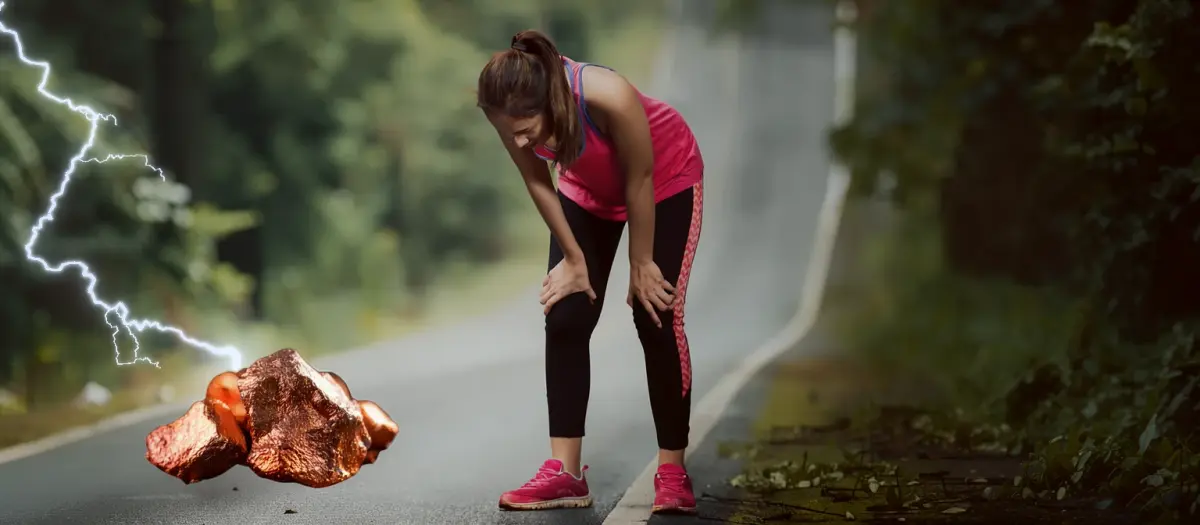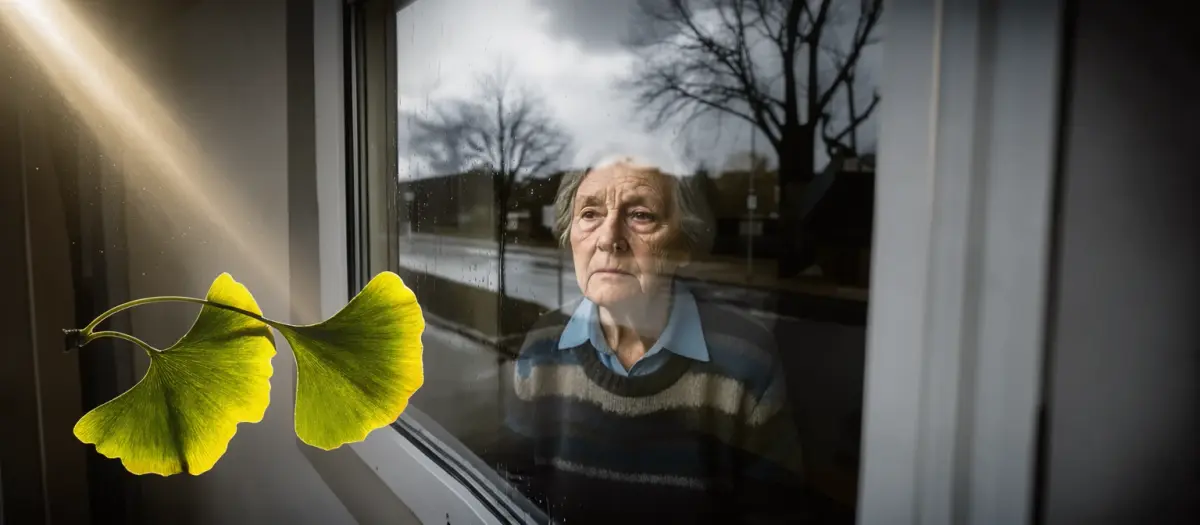
Do your legs or back ache after little effort, or do you feel unsteady on your feet as you get older? Do you spend most of your days indoors, with little time in the sun, or cover most of your skin when you go out? The answer to all this could be Vitamin D, the sunshine vitamin your skin makes from light. More than one billion people around the world run low, and because you cannot feel a mild shortage, many blame age or a busy life instead.
☀️ Meet Vitamin D
Vitamin D is different from every other vitamin. Your skin can make it on its own when sunlight with a certain kind of light touches bare skin, so some scientists say calling it a vitamin is not quite right. Your liver and then your kidneys turn what your skin makes, or what you eat, into the form your body uses. By weight you need only a tiny speck each day, but that speck touches your gut, your bones, and your muscles.
Milk with added vitamin D, which started in the early 1930s, almost wiped out bent bones in children in the United States.
Did you know that for hundreds of years in northern countries, parents gave children a teaspoon of cod liver oil each day to keep their legs straight and strong?
6 Things That Make Vitamin D Special
🥛 1. Helping Your Gut Take In Calcium
Calcium from food keeps your teeth, bones, and muscles working, but your gut cannot take it in well on its own. Your gut needs enough vitamin D to pull calcium from food into your blood. When you run short, your gut may take in only about 15% of the calcium instead of the usual 60% to 80%. That leaves less calcium in your blood for daily jobs. With enough vitamin D, your gut keeps taking in calcium at a steady pace, which keeps blood levels normal and feeds the rest of your body.
🦴 2. Growing Straight, Strong Bones in Children
In childhood your bones grow fast and must harden on schedule to carry your weight as you learn to stand and walk. Hardening needs calcium placed into new bone, a job that depends on vitamin D. When children run very short, bones stay soft and bend under weight, a disease called rickets that slows growth and bows the legs. Severe rickets can also bring bone pain, seizures from low blood calcium, slow growth, and tooth problems. With enough vitamin D plus calcium in food, bones harden normally and children grow tall and straight.
🩻 3. Keeping Adult Bones From Softening
Your bones rebuild all through life, with old bone removed and new bone laid down. Adults still need vitamin D so the new bone hardens fully during this rebuilding. When adults run very short, new bone stays soft and weak, a painful problem called osteomalacia. It can bring bones that change shape and pain, weak muscles in the hips and thighs, seizures from low blood calcium, and tooth problems. Even small bumps can hurt more when bones are soft. With steady vitamin D, the rebuilding finishes properly, so your spine stays upright and your bones stay firm under daily strain.
🦵 4. Protecting Older Bones From Thinning
As you age, bone loss is slowly faster than bone building, and this is fastest for women after the change of life. Over many years this thinning, called osteoporosis, makes bones full of tiny holes and easy to break, and more than 53 million adults in the United States have it or are at risk. Low vitamin D adds to the problem by lowering the calcium your gut takes in. With enough calcium and vitamin D together, older women and men build slightly thicker bone through the body and lower the chance of hip breaks that often need hospital care.
💪 5. Supporting Strength and Steady Steps
Muscles do more than move you, because strong leg and back muscles hold you upright and catch you when you stumble. Vitamin D is needed for muscles to grow normally and for strength to stay up. When you run short, you may notice aches, weakness, and twitching in muscles from low blood calcium, plus shrinking of the fast muscles you use to climb stairs or rise from a chair. Weak muscles raise the chance of falls and broken bones in adults. With enough vitamin D, muscles stay stronger, which helps you walk with more confidence day to day.
One thing before you keep reading 💛 This article teaches, it doesn't diagnose or treat. What works for most people might not be right for you. A quick word with your doctor or pharmacist before starting is always the smart move.