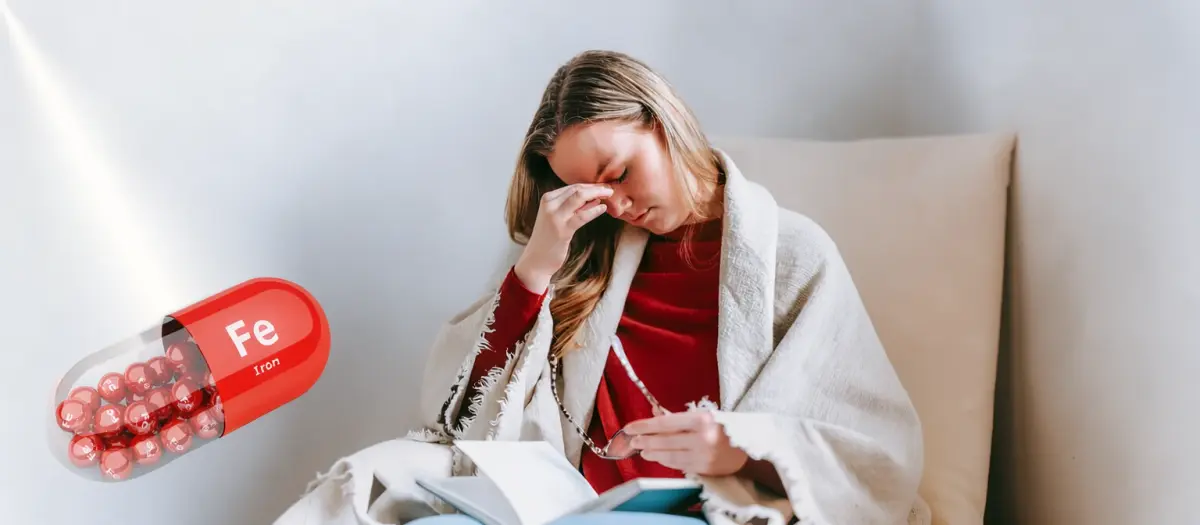
Do you feel tired and weak even after rest, or get short of breath climbing stairs? Do you find it hard to focus, or notice you look pale and feel cold more easily? Many things can cause these feelings, but low iron is one common and often missed reason: iron is the mineral your blood needs to carry oxygen. Many toddlers, teenage girls, women who bleed heavily each month, and pregnant women run low without knowing it.
💊 Meet Iron
Iron is a mineral found in food and in your body, and it is also sold as a supplement. A grown adult carries about 4 grams of it, and most of that sits in hemoglobin, the protein in red blood cells that moves oxygen from your lungs to the rest of you. Because your body reuses iron from old red blood cells, you only need a small amount from food each day to stay balanced.
Iron has been used as medicine for a very long time, with iron pills dating back to at least 1681. Today one common form, ferrous sulfate, is on the World Health Organization's list of essential medicines and is one of the most prescribed medicines in the United States.
6 Things That Make Iron Special
🩸 1. Building Healthy Red Blood Cells
Every day your bone marrow makes new red blood cells, and each one needs iron to build hemoglobin. When iron runs short for a while, your body makes red blood cells that are small and pale and carry too little hemoglobin. Doctors call this iron deficiency anemia. With fewer healthy cells, less oxygen reaches your muscles and brain, so you may look pale, tire quickly, feel dizzy, or want to sit down to catch your breath. With enough iron over time, your marrow can return to making normal, healthy red blood cells, which helps your blood carry oxygen the way it should in your daily life.
🔋 2. Fighting Tiredness and Weakness
Feeling tired, weak, and low on stamina is one of the most common signs of low iron. Your cells need iron to turn food into usable energy and to keep muscles working, and low hemoglobin means your muscles get less oxygen during the day. As iron stores empty, simple tasks like walking, cleaning, or playing with your kids can feel harder than they used to. Getting enough iron when you are low could help you feel less tired and more able to get through your day. This matters most for people whose tiredness comes with paleness, heavy periods, or a diet very low in iron.
🧠 3. Supporting Focus and Clear Thinking
Your brain needs a steady supply of oxygen to help you think, learn, and remember. When iron is low and healthy red blood cells fall, less oxygen reaches the brain, and many people notice trouble concentrating, headaches, or feeling irritable. In children, untreated shortage could lead to slower learning, short attention, and changes in behavior and movement. With steady iron, your blood can deliver the oxygen your brain uses to stay alert during school, work, and conversations. Parents, students, and anyone who feels foggy along with tiredness may notice this benefit most.
🤰 4. Protecting Mother and Baby in Pregnancy
During pregnancy your blood volume grows, and your baby needs iron to grow blood, muscle, and brain tissue. Without extra iron, many pregnant women run low, especially by the third month groups, when needs are highest. Low iron in pregnancy raises the risk of anemia, early birth, a small baby, and problems with the baby's growth and learning. Getting enough iron during pregnancy could help lower the risk of anemia in the mother and of low birthweight in the baby. Because needs rise so much in this time of life, pregnant women are one of the groups doctors watch most closely.
👶 5. Helping Babies and Young Children Grow and Learn
Babies grow fast, and after about 4 to 6 months the iron stores they were born with begin to run out. If food or formula does not replace it, low iron can slow growth and change how a young brain develops. Low iron in infancy could lead to delayed attention, withdrawing from play, and later trouble with learning. With enough iron from food, with added iron formula or cereal, or drops when a doctor advises them, babies and toddlers can keep building blood and growing tissue on schedule. This matters most for born early and low birthweight babies, breastfed babies after 6 months without iron-rich foods, and toddlers who drink a lot of cow's milk.
One thing before you keep reading 💛 This article teaches, it doesn't diagnose or treat. What works for most people might not be right for you. A quick word with your doctor or pharmacist before starting is always the smart move.